Pressure Cleaning Trends for Bayside Homeowners in 2026
Melbourne's Bayside suburbs, from Brighton and Sandringham to Beaumaris, Mentone and Cheltenham, put exterior surfaces through a lot. Salt-laden sea air, strong southerly winds, humid summers, shaded gardens and mature trees all leave their mark on roofs, walls, driveways and paving. As we move through 2026, pressure cleaning is changing, with gentler methods, smarter products, stronger environmental awareness and a greater focus on protecting your property's value.
This guide covers the key trends shaping pressure washing across Melbourne Bayside this year, so you can make informed decisions about maintaining your home.
Why Bayside Properties Need Specialised Cleaning
Not every Melbourne suburb faces the same conditions. Properties near Port Phillip Bay deal with a combination of factors that speed up grime build-up:
- Salt spray and airborne salt: Coastal air deposits salt on rooftops, windows, fences and cladding, which can accelerate corrosion on metal surfaces and dull paint finishes.
- Moisture and humidity: Damp conditions encourage moss, lichen, algae and mould, particularly on south-facing roofs and shaded walls.
- Tree litter: Established gardens and street trees drop leaves, sap, flowers and seeds that stain concrete and clog gutters.
- Traffic and urban pollution: Busy arterial roads such as Nepean Highway add fine particulates that settle on façades and driveways.
- Mixed building materials: Bayside homes range from Edwardian and Federation properties with older brick and render to modern builds with Colorbond roofing, composite cladding and exposed aggregate.
Because of these conditions, a one-size-fits-all approach rarely works. The trend in 2026 is clearly toward tailored cleaning that matches the method to the surface.
Trend 1: Soft Washing Is Now the Standard for Roofs and Walls
One of the most significant shifts in the industry is the move away from high-pressure blasting on delicate surfaces. Soft washing uses low pressure combined with specialised cleaning solutions to break down organic growth at the source, rather than forcing it off with sheer force.
This matters because high pressure can damage roof tiles, strip the glaze from terracotta, push water under flashing, and wear away mortar and render. For roof cleaning and house washing, soft washing has become the preferred approach among careful operators, and homeowners are increasingly asking for it by name.
Where soft washing works best
- Concrete and terracotta roof tiles
- Painted weatherboard and rendered walls
- Timber cladding and fascia boards
- Colorbond and other metal roofing
- Window frames, eaves and gutters
Because soft washing treats the root of the growth, results tend to last longer. Moss and algae that are merely blasted off the surface can return quickly, while a properly applied treatment helps slow regrowth.
Trend 2: Roof Cleaning as Preventative Maintenance
Many Bayside homeowners now treat roof cleaning as part of routine maintenance rather than a cosmetic extra. Moss, lichen and algae hold moisture against roof tiles, which can contribute to premature deterioration, blocked gutters and water backing up under tiles. Dirty roofs can also absorb more heat, and black algae streaking is a common sight on older roofs across the region.
Insurers, building inspectors and real estate agents are all paying closer attention to roof condition. A clean roof makes it easier to spot cracked tiles, failed pointing or rusted fixings before they become expensive repairs. If you plan to repaint or restore your roof, cleaning is a necessary first step, since coatings do not adhere properly to contaminated surfaces.
A practical guide is to have your roof professionally assessed every few years, and more often if it is shaded by trees or faces south.
Trend 3: Eco-Conscious Products and Water Management
Environmental responsibility is a growing priority across Victoria, and this is especially relevant near Port Phillip Bay, where stormwater drains flow directly to the bay. Cleaning runoff that carries detergents, sediment, oils or algae treatments should not be allowed to wash into stormwater systems unchecked.
In 2026, quality pressure cleaning businesses are increasingly:
- Using biodegradable, plant-friendly cleaning agents where suitable
- Controlling and capturing wastewater, particularly on commercial and strata jobs
- Using water-efficient equipment with optimised flow rates and nozzles
- Protecting gardens and lawns by pre-wetting and rinsing surrounding plants
It is reasonable to ask any provider how they manage runoff and what products they use. Responsible operators will happily explain their approach. Melbourne also has a history of water restrictions, so efficient water use remains a sensible consideration for any exterior cleaning project.
Trend 4: Driveway Cleaning and Sealing Go Together
Driveway cleaning remains one of the most popular services in Bayside, and a growing number of homeowners are pairing it with sealing. Concrete, pavers, exposed aggregate and stencilled surfaces are all porous to some degree. Once cleaned, they can quickly pick up fresh stains from oil, tannins, rust and tyre marks if left unprotected.
A quality sealer can:
- Make future cleaning faster and easier
- Reduce staining from leaves, oil and rust
- Enhance the colour and depth of pavers and aggregate
- Help lock sand into paver joints and slow weed growth
Sealing is best done once the surface is completely clean and dry, so timing matters. Bayside's changeable weather means it pays to schedule these jobs around settled spells, typically in the warmer, drier months.
Trend 5: Surface-Specific Techniques and Better Equipment
Modern power washing equipment offers greater control than ever. Variable-pressure machines, surface cleaners with rotating arms, hot water units and improved nozzles allow operators to deliver consistent, streak-free results without damaging the surface.

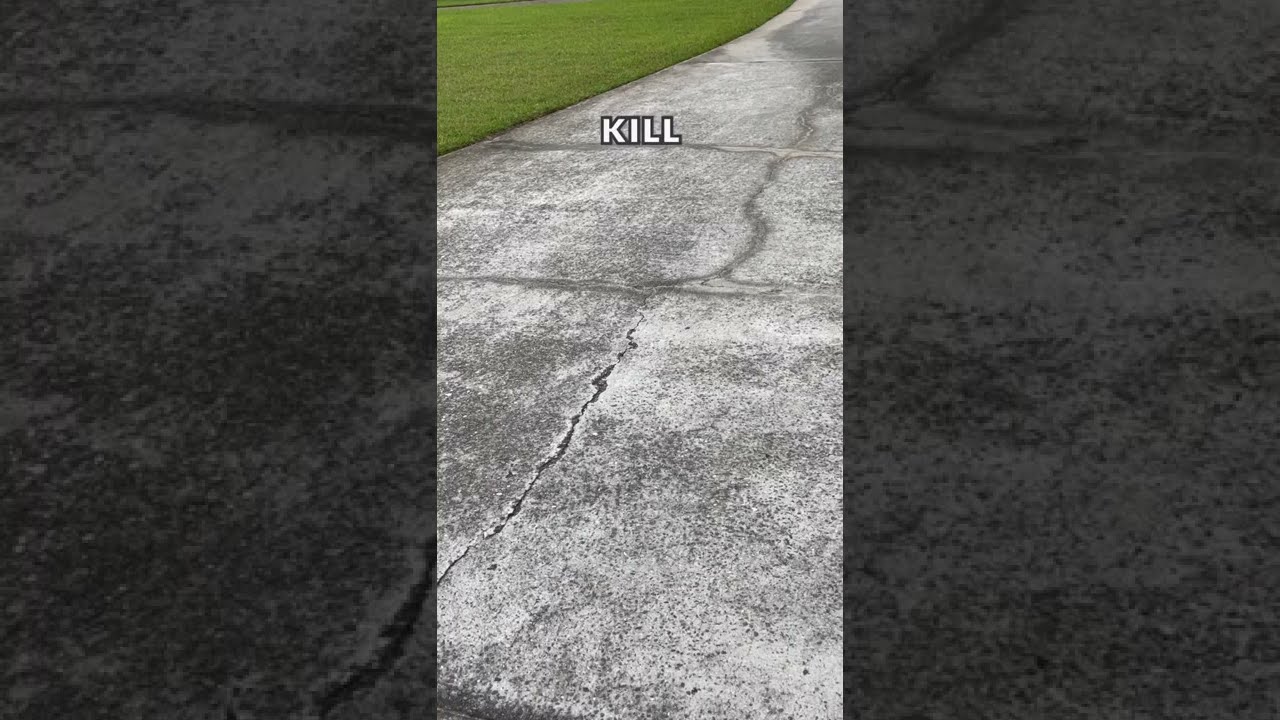
The terms pressure washing and power washing are often used interchangeably in Australia, though power washing technically refers to the use of heated water. Hot water can be especially effective on oily driveways, greasy garage forecourts and commercial areas such as cafe frontages along Bay Street or Hampton Street.
Surface cleaners in particular have become popular for large flat areas because they reduce the striping or "zebra lines" that can result from using a bare wand.
Trend 6: Cleaning to Boost Property Presentation and Value
The Bayside property market is competitive, and presentation matters. Many vendors now https://pressurecleaningbayside.com.au/deck-cleaning/ include exterior cleaning in their pre-sale preparation, covering the roof, walls, driveway, front path, fences and entertaining areas. A clean exterior improves street appeal and photographs well for online listings.
Regular maintenance also protects your investment. Removing grime before it embeds into surfaces helps paintwork, render and sealants last longer, which can delay costly repainting or replacement.
Common Mistakes Homeowners Should Avoid
DIY pressure washing is tempting, particularly with so many consumer machines available, but there are some common pitfalls:
- Using too much pressure: This can etch concrete, gouge timber, lift paint and force water behind cladding.
- Cleaning roofs without safety equipment: Falls from roofs are a serious risk, and wet moss is extremely slippery.
- Using bleach without care: Harsh chemicals can harm plants, corrode metals and run into stormwater.
- Ignoring window seals and electrical fittings: Direct high-pressure spray can cause leaks or damage.
- Skipping surface prep: Not sweeping, pre-treating stains or protecting nearby areas often leads to patchy results.
For anything involving heights, delicate surfaces or large areas, a professional is usually the safer and more cost-effective option.
How Often Should Bayside Homes Be Cleaned?
Frequency depends on your property's exposure, but these are sensible general guidelines:
- House washing: Every 12 to 24 months, or more often near the water or under heavy tree cover
- Driveway and paving cleaning: Once a year, or twice if shaded and prone to moss
- Roof cleaning: Every 3 to 5 years, depending on pitch, orientation and tree cover
- Gutters, fascias and eaves: Annually, ideally before the wetter months
Choosing a Pressure Cleaning Provider in Melbourne Bayside
As demand grows, it pays to be selective. When comparing providers, look for:
- Current public liability insurance
- Experience with your specific surface type
- Clear explanation of methods, including soft washing versus high pressure
- Safe work practices for roof access
- Transparent, itemised quotes
- Local reviews and photos of completed work
A reputable provider will assess your property, explain the recommended approach and set realistic expectations about what can be achieved, particularly with older stains or heavily weathered surfaces.
Looking Ahead to 2027 and Beyond
The direction of the industry is clear. Expect continued growth in low-pressure methods, longer-lasting protective treatments, water-saving technology and stricter attention to runoff. As Bayside homes continue to age and climate patterns bring more humidity and variable weather, regular, gentle and well-planned exterior cleaning will only become more important heading into 2027 and beyond.
Final Thoughts
Whether you are preparing to sell, repainting, or simply want your home to look its best, understanding current pressure cleaning trends helps you choose the right service for your property. From soft washing roofs and walls to sealing freshly cleaned driveways, the best approach in 2026 is one that protects your surfaces, respects the local environment and delivers lasting results for your Melbourne Bayside home.
Bayside Pressure Cleaning Pros
Unit 3/3-5 Arnold St, Cheltenham VIC 3192
ph. (03) 4517 6380